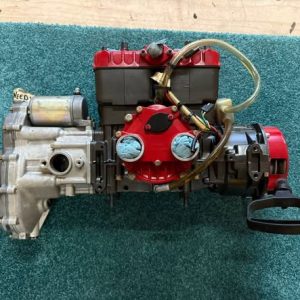
The Rotax 582 “Blue Head” RAVE Engine – Built by Rotax Rick offers aircraft builders, ultralight pilots, experimental-aircraft owners, restorers, and recreational aviation enthusiasts a recognizable two-stroke powerplant for a properly evaluated installation.
Accurate use of Rotax 582 Blue Head, Rotax 582 Blue Head RAVE Engine, and Rotax 582 Aircraft Engine keywords improves visibility without overstating current serviceability.
These related keywords help connect the listing with aircraft builders, sport pilots, engine specialists, and aviation parts buyers.
Accurate descriptions help customers compare engine condition, accessories, installation needs, maintenance records, and commercial value.
These keywords support relevant SEO while preserving responsible guidance for aviation engine selection.
Why Exact Engine Identification Matters
Complete identification helps buyers compare the engine with their aircraft and reduces unsuitable purchases.
Strong traceability improves the commercial value of the Rotax 582 Blue Head RAVE Engine.
Evaluating a Specialist-Built Rotax Engine
A specialist-built engine can offer valuable confidence when the assembly process and replacement parts are described transparently.
Any remaining break-in requirements, operating limitations, fuel recommendations, or follow-up inspections should be disclosed.
Maintaining Power-Valve Operation
The RAVE system uses exhaust-side valve components intended to influence engine breathing across different operating conditions when correctly configured and maintained.
RAVE-system condition should be included in maintenance and pre-purchase records.
Managing Two-Stroke Aviation Requirements
Fuel quality, oil selection, mixture preparation, and oil-injection configuration should be confirmed for the exact installation.
Oil lines, pumps, tanks, fittings, filters, and calibration should be inspected when an injection system is installed.
Inspecting Radiator and Coolant Components
Leaks, corrosion, hardened hoses, loose clamps, damaged radiators, and trapped air can reduce system effectiveness.
The radiator should be sized and positioned appropriately for the aircraft installation and expected airflow environment.
Two-Cylinder Engine Construction
Cylinder walls, here pistons, rings, bearings, seals, and crankshaft condition should be documented when the engine build allows inspection records.
Professional internal evaluation supports the long-term value of the Two-Cylinder Aircraft Engine.
Carburetor Synchronization and Mixture
Complete carburetor preparation supports smoother Rotax 582 engine operation.
Carburetor settings should correspond with the engine configuration, intake system, exhaust, altitude, climate, and applicable technical guidance.
Aircraft Engine Ignition Testing
Complete ignition evaluation supports more dependable operation of the Rotax Aviation Engine.
Ignition checks should be completed through controlled procedures appropriate to the engine and aircraft installation.
Selecting a Compatible Propeller System
Different gearbox ratios can influence propeller selection, loading, aircraft performance, and engine operating behavior.
Service records should identify oil changes, inspections, component replacement, and operating hours where applicable.
Maintaining Exhaust Connections and Supports
A modified, damaged, leaking, or incorrectly supported exhaust may contribute to performance concerns or component stress.
Exhaust parts should remain clear of fuel lines, coolant hoses, wiring, controls, and heat-sensitive components.
Understanding Power-to-Weight Benefits
Engine weight should be calculated with the gearbox, exhaust, radiator, coolant, starter, carburetors, filters, mounts, and other installed accessories included.
The complete conversion should be reviewed through appropriate engineering and maintenance processes.
Ultralight and Experimental Aircraft Applications
Successful use in one aircraft type does not establish compatibility with another airframe.
Improvised installation can create vibration, cooling, control, fuel, and structural concerns.
Evaluating the Rotax 582 for Sport Aviation
Engine condition and aircraft eligibility are separate considerations.
A specialist-built engine may offer valuable project potential while still requiring aircraft-specific approval, inspection, testing, and documentation.
Tracking Maintenance and Component Life
A low-hour statement should be supported by logs, invoices, tachometer records, builder documents, or other credible evidence.
Missing records do not automatically make the engine unusable, but they increase the need for detailed evaluation.
Documenting Start and Operating Behavior
The test should identify the fuel, oil, propeller or load device, cooling system, instruments, duration, and operating conditions used.
Safety zones and trained personnel are essential during testing.
Evaluating Cylinders and Seals
Mechanical evaluation may include compression checks, cylinder inspection, crankshaft assessment, seal review, bearing evaluation, plug inspection, and examination for leaks or abnormal deposits.
Professional inspection protects buyers from relying solely on external appearance.
Rotax 582 Pre-Purchase Checklist
The seller should provide photographs showing the data plate, heads, cylinders, crankcase, carburetors, gearbox, ignition, exhaust connections, cooling fittings, and accessories.
- Compare the engine with the receiving aircraft’s mount, weight-and-balance needs, gearbox ratio, propeller requirements, cooling system, exhaust, fuel delivery, controls, electrical system, and cowling.
- Arrange qualified evaluation whenever internal condition, build scope, operating history, or installation suitability remains uncertain.
- Inspect and photograph the engine immediately after delivery before rotating, testing, disassembling, repairing, mounting, or connecting fuel and electrical systems.
Preventing Storage Damage
Loose accessories should be labeled, wrapped, and secured separately.
During storage, the engine should remain dry, clean, supported, preserved, and protected from moisture, dust, insects, corrosion, chemicals, and uncontrolled handling.
Completing a Rotax Aviation Engine Project
Fuel, cooling, oil, ignition, exhaust, throttle, choke, instruments, starter, and electrical systems should be planned as an integrated package.
Ignition and electrical wiring should be grounded, routed, secured, and labeled appropriately.
After installation, technicians should verify fastener security, engine alignment, propeller tracking, gearbox condition, fuel flow, carburetor synchronization, ignition operation, coolant circulation, instrument accuracy, and absence of leakage.
Maintaining the Rotax 582 Blue Head Engine
Consistent care supports the service potential of the Rotax 582 Aviation Engine.
Operating data such as temperatures, engine speed, fuel consumption, plug condition, and ignition-check behavior can help identify developing concerns.
Choosing a Lightweight Aviation Powerplant
Engines with detailed build sheets, photographs, invoices, run videos, and transparent history are easier for serious buyers to evaluate.
Buyers should compare complete engine packages rather than bare powerplants alone.
Selecting a Lightweight Aircraft Engine
The Rotax 582 “Blue Head” RAVE Engine – Built by Rotax Rick can provide valuable replacement, restoration, experimental-aircraft, ultralight, or spare-engine potential when its identity, build scope, condition, and compatibility are verified.
The engine should be evaluated with the receiving aircraft’s mount, propeller, cooling, fuel, electrical, exhaust, controls, weight, and operating requirements in mind.
Whether the engine is purchased for replacement, restoration, a kit-built aircraft, gyrocopter, powered parachute, recreational aircraft, or spare inventory, transparent information and responsible oversight provide the strongest foundation.
With transparent builder history, protected shipping, correct aircraft fitment, controlled testing, and appropriate break-in procedures, the Rotax 582 can support a professional aviation project.